
Best Roof Types for Solar Panel Installation
Flat RCC, tin shed, sloped tile or asbestos: which roof types suit rooftop solar, how each is mounted, and the roof problems to fix before installing.
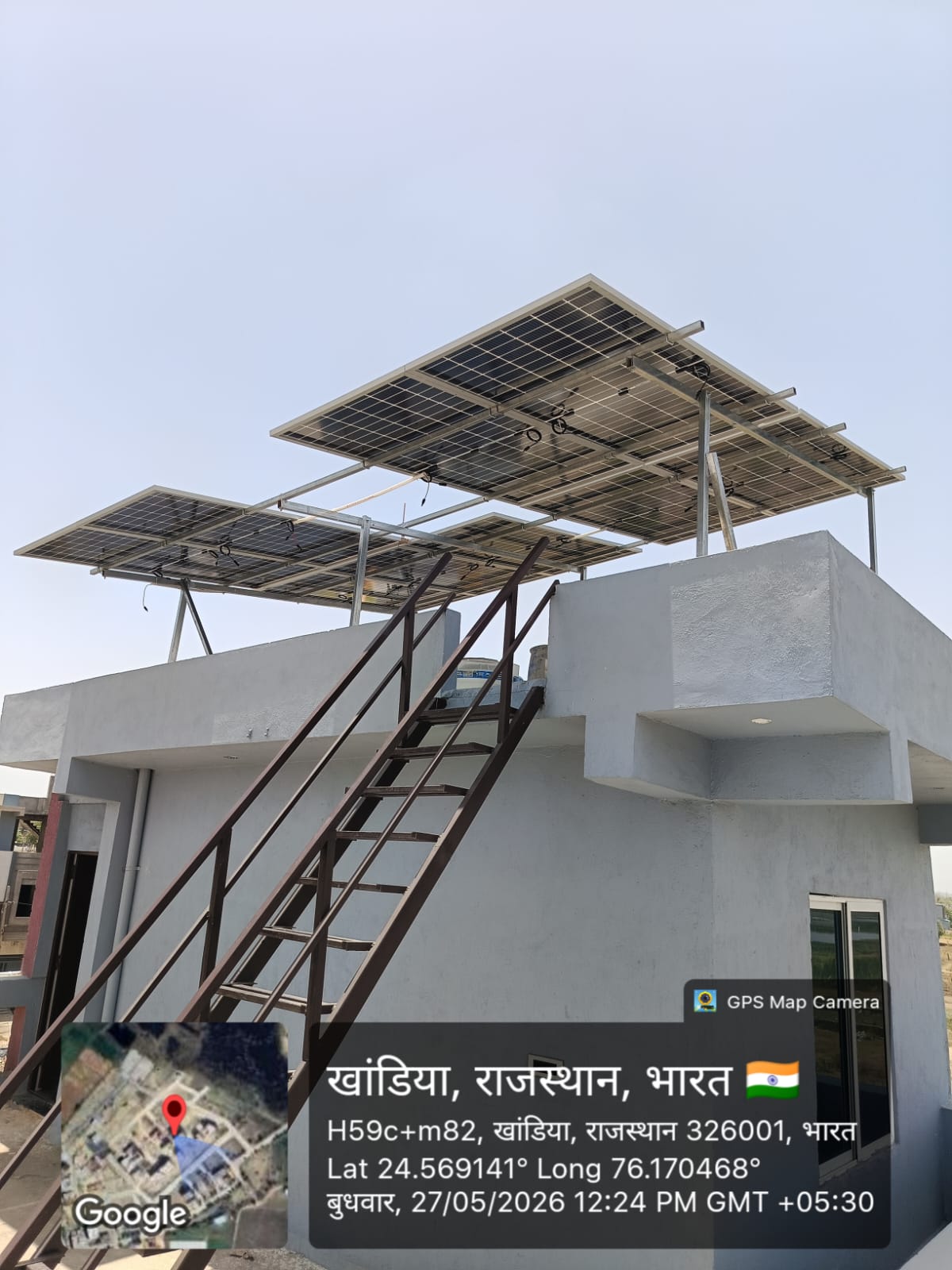
Almost any sturdy roof can carry solar panels, but the roof type changes how panels are mounted, what the installation costs, and how well the system performs. Before you get quotes, it helps to know how your roof compares — and what to fix before a single panel goes up.
Roof types at a glance
| Roof type | Suitability | Mounting method | Watch out for |
|---|---|---|---|
| Flat RCC (concrete) | Excellent | Ballast or anchored frame | Waterproofing, water tanks' shadow |
| Metal / tin shed | Very good | Rail clamps to purlins | Sheet condition, rust |
| Sloped tile / Mangalore tile | Good | Hooks under tiles | Broken tiles, weight |
| Asbestos sheet | Poor | Avoid direct mounting | Fragile, health risk |
| Elevated structure | Excellent | Raised frame | Wind load design |
Flat RCC roofs: the easiest option
Most urban homes have flat reinforced concrete roofs, and they are ideal for solar.
- Flexible orientation. Installers can tilt panels to the best angle and face them south for maximum annual generation.
- Mounting choices. Frames can be fixed with anchors and chemical bolts, or held down with concrete ballast blocks that avoid drilling into the slab.
- Easy access for cleaning and maintenance.
Before installation: repair cracks and redo waterproofing if it is due. Doing it after the panels are installed is far harder and costlier.
Metal and tin shed roofs
Industrial sheds, warehouses, shops and many farm buildings use metal sheet roofs. These work very well.
- Panels are mounted on aluminium rails clamped to the roof's seams or bolted to the purlins beneath.
- Panels sit close to the roof's natural slope, so orientation depends on the building.
- Low weight is added, which suits lightweight structures.
Before installation: check the sheets for rust and the purlins for strength. Replace corroded sheets first, since removing panels later is expensive. All roof penetrations need proper sealing with EPDM washers to prevent leaks.
Sloped tile roofs
Sloped roofs with clay or Mangalore tiles can carry solar panels, with some care.
- Special hooks slide under the tiles and attach to the rafters, supporting rails for the panels.
- The fixed slope and direction of the roof decide how much a south-facing section is available.
Before installation: replace cracked tiles, and confirm the roof structure can take the extra load. Installation takes longer and costs a little more than on flat roofs.
Asbestos sheet roofs
Asbestos cement sheets are brittle and can break under foot traffic, and drilling them releases hazardous fibres. Mounting panels directly on asbestos is not recommended.
Better options: replace the roof with metal sheets first, or build an independent elevated structure that does not rest its load on the asbestos.
Elevated structures: solar plus usable roof
An elevated structure raises panels well above the roof, commonly high enough to stand and walk underneath.
- Keeps your roof usable for drying clothes, storage or gatherings.
- Clears shadows from parapet walls, water tanks and stairwell rooms.
- Improves airflow, which keeps panels cooler and slightly boosts output.
It costs more than a standard frame and must be engineered for wind loads, but for crowded rooftops it is often the smartest choice.
Orientation and tilt
- Direction: south-facing panels produce the most over a year. East- and west-facing arrays still work well, with somewhat lower output.
- Tilt: a tilt close to your location's latitude maximises annual output. For much of Rajasthan that is roughly 20–27°.
- Shade: far more important than small changes to angle. A shadow-free spot beats a perfect tilt in partial shade.
Check your roof before you get quotes
- Is the roof structurally sound, with no active leaks or cracks?
- Is waterproofing due in the next few years? Do it first.
- How much of the roof is free from shadows between about 9 am and 4 pm?
- Where are water tanks, stairwell rooms and neighbouring buildings?
- Is there a safe path for technicians to reach and clean the panels?
Next, read How Much Roof Space Do You Need? or book a free site survey and we will assess your roof in person.
Frequently asked questions
Can solar panels be installed on a tin shed roof?
Yes. Metal sheet roofs are very well suited to solar. Panels mount on rails clamped to the sheet seams or bolted to purlins, as long as the sheets and structure are in good condition.
Will installing solar panels damage my roof or cause leaks?
Not when installed correctly. Flat roofs can use ballast mounting that avoids drilling, and any penetrations on metal roofs should be sealed properly. Ask your installer how they prevent leaks on your roof type.
Is it safe to install solar on an asbestos roof?
Mounting directly on asbestos is not recommended because the sheets are brittle and drilling releases hazardous fibres. Replace the roof, or use an independent elevated structure.
Does the roof need to face south?
South-facing gives the best annual output, but east- and west-facing roofs still produce well. Avoiding shade matters more than perfect orientation.