
Is Rooftop Solar Worth It in 2026? Pros and Cons
An honest look at whether rooftop solar is worth it in 2026 — savings, subsidy, payback and long-term value against the drawbacks, with a checklist to decide.
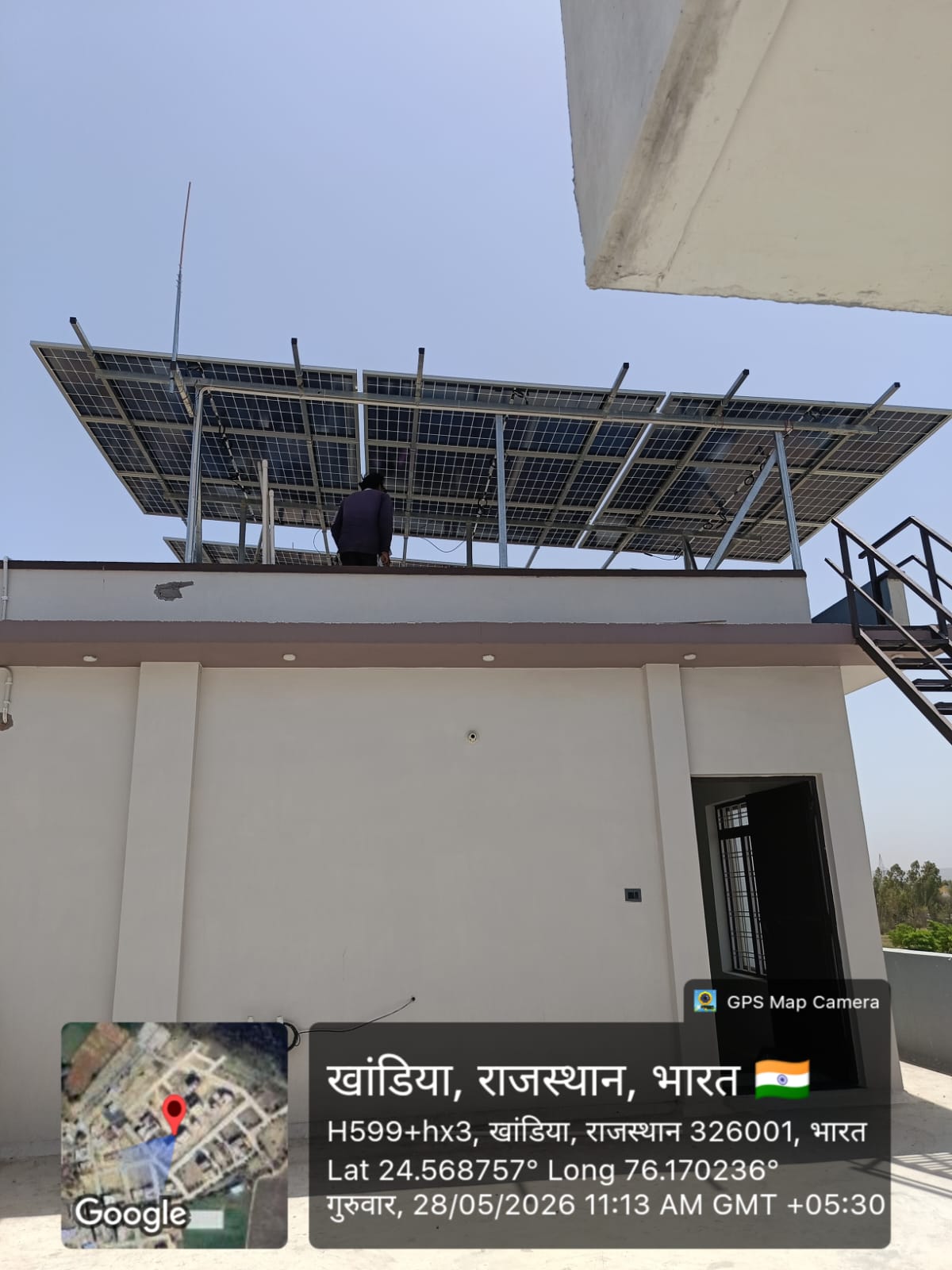
Rooftop solar has never been more affordable, but it is still a significant decision. Rather than a sales pitch, this guide lays out the real advantages and the real drawbacks, then gives you a simple checklist to decide whether solar makes sense for your home in 2026.
The short answer
For most homes with a suitable, shadow-free roof and a monthly electricity bill above roughly ₹1,000, yes — rooftop solar is one of the best-returning investments a household can make, especially with the PM Surya Ghar subsidy.
It is less worthwhile if your roof is heavily shaded, your consumption is very low, or you expect to move house soon. New to solar? Start with How Rooftop Solar Panels Work.
The pros
1. Large, immediate bill savings
A well-sized system typically cuts the energy portion of your bill by 80–95% from the first month. Fixed charges remain, but most of your bill disappears. See How Much Can You Save.
2. Generous subsidy
The central subsidy covers ₹30,000 per kW for the first 2 kW and up to ₹78,000 for 3 kW and above. Some states add a top-up. This can cover a large share of a small home system's cost.
3. Fast payback
A subsidised home system typically pays for itself in around 3–4 years, then keeps saving for decades. See Solar Panel ROI.
4. Long life
Quality panels last 25–30 years or more, with slow, predictable output decline. Few home investments keep paying back for that long.
5. Protection from rising tariffs
Electricity tariffs have historically risen over time. Every unit you generate yourself is a unit whose future price rise does not affect you.
6. Low maintenance
No moving parts. Regular cleaning and a yearly check are usually all it needs.
7. Adds value to your property
A working solar system reduces running costs for any future owner, which can make a property more attractive.
8. Cleaner energy
A 3 kW system avoids roughly 3–4 tonnes of CO₂ emissions a year compared with grid electricity.
The cons
1. Upfront cost
You pay the full price first; the subsidy arrives later. A loan can spread this out, but adds interest. See Solar Loan vs Cash vs Lease.
2. No power during outages (on-grid)
Standard on-grid systems switch off during power cuts for safety. Backup needs a hybrid system with a battery, which costs more. See Solar During Power Outages.
3. Needs suitable roof space
You need roughly 100 sq ft of shadow-free roof per kW. Heavily shaded or small roofs limit what you can install. Without a usable roof, look at shared and community solar options.
4. Paperwork and waiting
Subsidy applications, DISCOM approvals and net meter installation take time — often several weeks.
5. Inverter replacement
The inverter usually needs replacing once during the system's life, typically after 10–15 years.
6. Output varies with weather
Cloudy and monsoon days produce less. Annual savings stay steady, but monthly savings vary. See Solar in Cloudy Weather.
7. Installer quality varies
A poor installation can mean a rejected subsidy, underperformance or safety problems. Choosing the right installer matters.
Pros and cons at a glance
| Pros | Cons |
|---|---|
| 80–95% cut in energy charges | Upfront cost before subsidy |
| Subsidy up to ₹78,000 (central) | On-grid has no outage backup |
| ~3–4 year payback | Needs shadow-free roof space |
| 25–30+ year lifespan | Approvals take weeks |
| Shield against tariff rises | Inverter replacement once |
| Very low maintenance | Monthly output varies |
Is solar worth it for you? A quick checklist
Solar is very likely worth it if you can tick most of these:
- Your monthly bill is above roughly ₹1,000
- You own your home, or have the owner's approval
- You have about 100 sq ft of shadow-free roof per kW you need
- You plan to stay in the home for at least 4–5 years
- Your grid supply is reasonably reliable, or you are willing to add a battery
- You are eligible for the PM Surya Ghar subsidy
If you ticked most boxes, the next step is a site survey and a personalised estimate. Try our savings calculator or book a free site survey.
Frequently asked questions
Is solar worth it if my electricity bill is low?
If your bill is well below ₹1,000 a month, savings are smaller and payback takes longer. A small 1 kW system can still make sense with the subsidy, but the benefit is modest.
Will solar panels still be worth it if I sell my house?
Often yes. A working system lowers running costs for the next owner, which can make the property more appealing. Keep all warranty and commissioning documents to hand over.
Is it better to wait for cheaper solar panels?
Waiting rarely pays. Every month without solar is a month of full electricity bills, and subsidy schemes are not guaranteed to stay at current levels. Prices have already fallen a long way.
What is the biggest mistake people make with rooftop solar?
Choosing on price alone. Non-DCR panels, weak structures and missing earthing can cost you the subsidy or years of performance. Compare itemised quotes from registered, local installers.