
PM Surya Ghar Muft Bijli Yojana: Rooftop Solar Subsidy Explained
How much subsidy you get under PM Surya Ghar, who is eligible, which panels qualify, and the step-by-step application process from registration to bank credit.
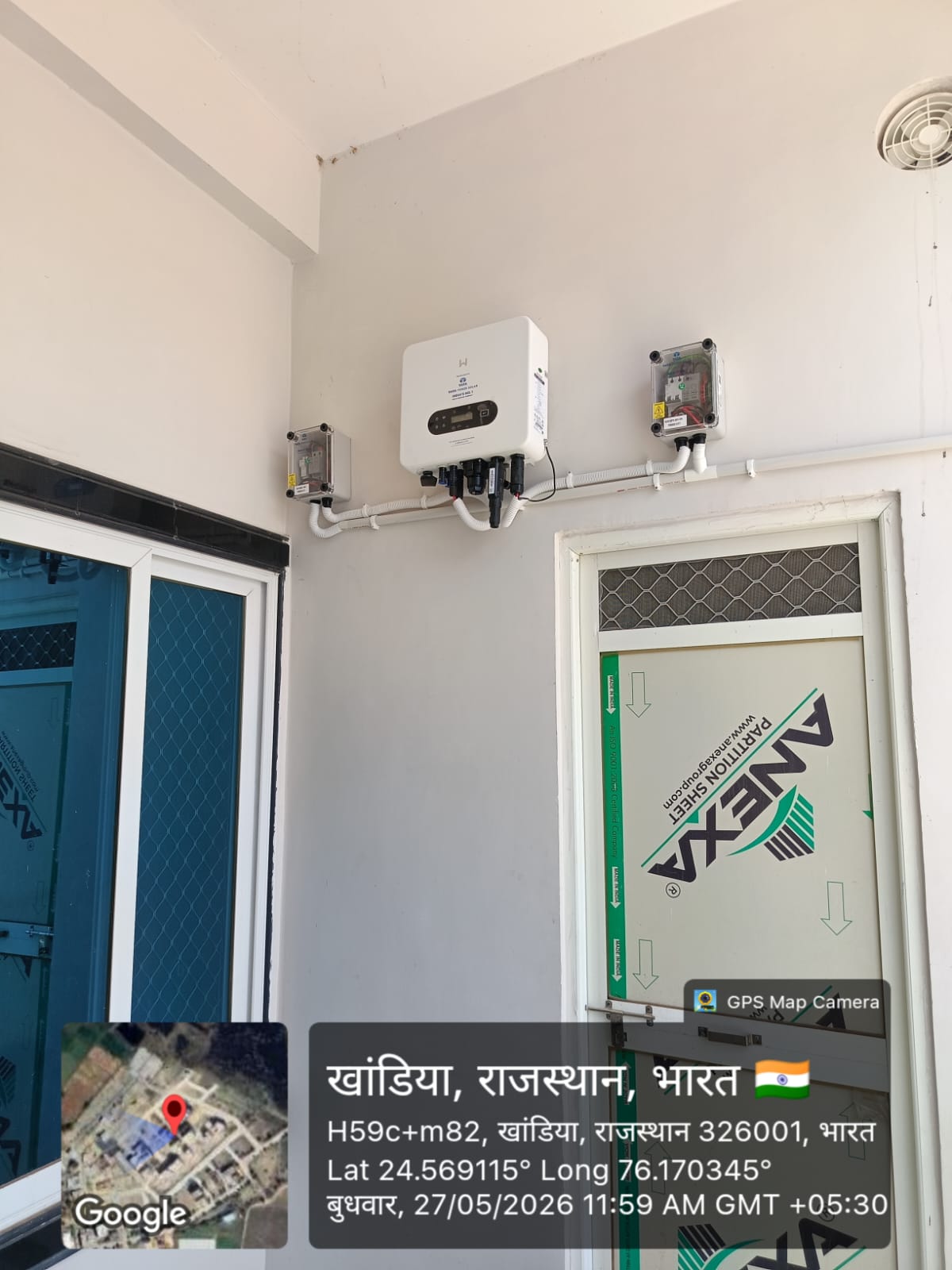
The PM Surya Ghar Muft Bijli Yojana is the biggest reason rooftop solar has become affordable for homes. It can cover a large share of a home system's cost — but only if you meet the eligibility rules and follow the process correctly. This guide covers how much you can get, who qualifies, and each step from registration to the money reaching your bank account.
Scheme rules and amounts can be revised. The figures below reflect the scheme as published at the time of writing — confirm current details on the official portal before you buy.
How much subsidy can you get?
The central financial assistance for residential rooftop solar is:
| System size | Central subsidy |
|---|---|
| 1 kW | ₹30,000 |
| 2 kW | ₹60,000 |
| 3 kW and above | ₹78,000 (maximum) |
In other words, ₹30,000 per kW for the first 2 kW, ₹18,000 for the third kW, and nothing extra beyond 3 kW. Group housing societies and resident welfare associations can claim support for common facilities such as lifts and corridor lighting, at a different rate per kW.
Some states add their own top-up on the same system. For example, Rajasthan residents may be eligible for an additional ₹17,000 at the time of writing. Ask your installer to confirm which state benefits currently apply to you.
Who is eligible?
To claim the residential subsidy, you generally need:
- A residential electricity connection in your name (or the house owner's name) with a valid consumer number.
- A suitable roof — your own rooftop with enough shadow-free space for the system.
- No previous rooftop solar subsidy claimed on the same connection.
- A grid-connected system — off-grid systems are not covered.
- A registered vendor — the installation must be done by a vendor registered on the national portal for your DISCOM.
Which equipment qualifies?
This is where many applications go wrong:
- Solar panels must be DCR (Domestic Content Requirement) — made with domestically manufactured solar cells.
- The panel model must be on the ALMM (Approved List of Models and Manufacturers).
- The system must meet the scheme's technical standards for inverters and balance-of-system components.
A cheaper quote with non-DCR panels can mean your subsidy is rejected. Get the panel model, DCR status and ALMM listing in writing before you pay. Read Types of Solar Panels for more.
The application process, step by step
- Register on the national portal. Select your state and DISCOM, and enter your electricity consumer number, mobile number and email.
- Apply for rooftop solar. Log in, fill in the application and submit it. Your DISCOM checks technical feasibility.
- Receive feasibility approval. Once approved, choose a registered vendor from the portal list for your DISCOM.
- Get the system installed. Your vendor installs the system using eligible DCR equipment.
- Submit installation details. Upload the plant details and apply for a net meter through the portal.
- Net meter installation and inspection. The DISCOM installs the net meter and inspects the system.
- Commissioning certificate. After a successful inspection, a commissioning certificate is generated on the portal.
- Submit bank details. Enter your bank account details and a cancelled cheque on the portal.
- Subsidy credited. The central subsidy is transferred directly to your bank account.
A good installer handles steps 2 to 7 for you — that paperwork is a big part of what you are paying for. See the full installation process, step by step.
Concessional loans under the scheme
If you do not want to pay the full amount upfront, public sector banks offer loans for rooftop solar under the scheme. For small home systems, these have typically been collateral-free with concessional interest rates. Rates and limits are set by the banks, so compare options before you apply. See Solar Loan vs Cash vs Lease.
Common reasons subsidies get delayed or rejected
- Non-DCR panels, or a panel model not on the ALMM
- Installing before feasibility approval
- Using a vendor not registered for your DISCOM
- Name mismatches between the electricity connection, application and bank account
- Incomplete photos or documents uploaded after installation
Frequently asked questions
Is the subsidy paid to me or to the installer?
It is paid directly into your bank account. You pay the installer the full system price, and the subsidy arrives after commissioning and approval on the portal.
Do I get more subsidy for a 5 kW system than a 3 kW one?
No. The central subsidy is capped at ₹78,000 for residential systems of 3 kW and above. A larger system can still make sense if your consumption is high, but the subsidy stays the same.
Can I claim the subsidy if I rent my house?
The application is tied to the electricity connection and the rooftop. Tenants usually need the owner's consent and the connection details, which makes it difficult in practice. Speak to your DISCOM or installer about your specific situation.
How long does the whole process take?
It varies by DISCOM workload. Installation takes a few days, but approvals, net meter installation and subsidy transfer can take several weeks in total. Starting early and using an experienced vendor keeps delays down.